
Autumn is so close we can feel it. No, really. We can feel the cooler temps and are slowly watching the leaves change color. It’s also a popular season, one that draws travelers from all over the country. That said, when people consider moving here, they are often most curious about winter. Here is our honest take, not just on the colder season, but on all the others too.
Winter
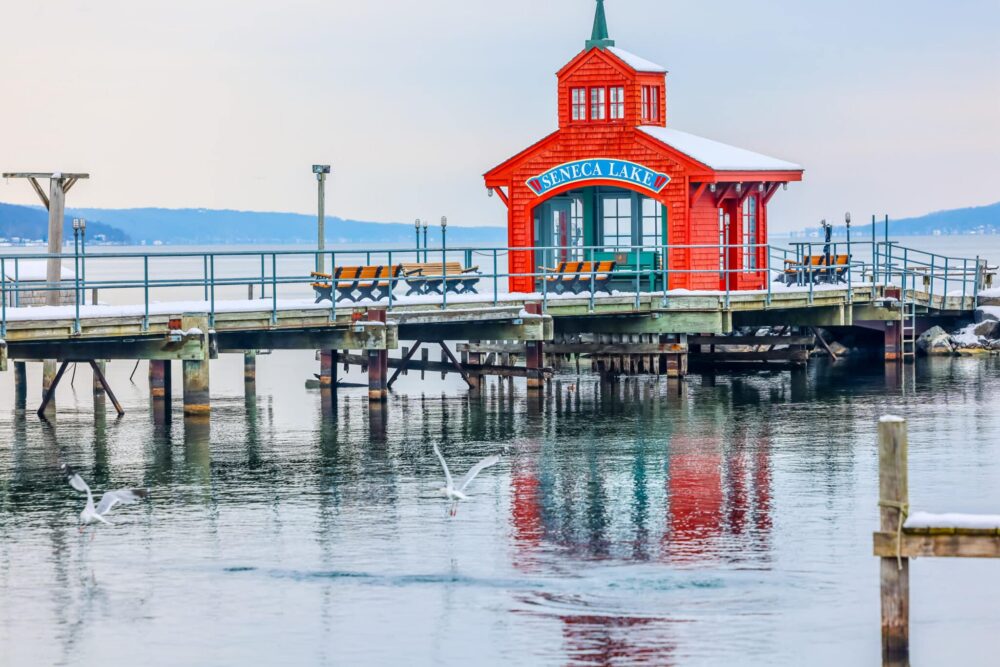
What It Actually Looks Like
The region sits in a humid continental climate zone, which is the polite scientific way of saying it gets cold and stays that way for a while. January averages hover in the mid-20s overnight and the low-to-mid 30s during the day. December through February, expect regular stretches below freezing.
Snow is part of the deal. The Southern Finger Lakes gets somewhere between 40 and 60 inches a year depending on elevation, more than the national average but nowhere near the lake-effect totals that bury Buffalo or Syracuse. Elmira averages just over 40 inches of snow and about 164 sunny days a year, compared to a 205-day national average, and January can feel gray for stretches because of it. Ice storms happen a few times a season and call for caution on the roads, but this is a region that has been plowing and salting these roads for generations, and it shows.
Then there’s the dark. By late December, daylight is down to about nine hours. That’s the part people underestimate, not the cold, not the snow, the early dark. Spring doesn’t flip a switch either. March can still feel like February, and April spends most of its time negotiating. By mid-May, though, the region exhales, and what follows is worth the wait.
That’s the honest weather report. Here’s what people actually do with it.
What Locals Actually Do
It’s not really about whether winter is hard. It’s whether you build a life inside it, and the infrastructure here makes that easier than you’d expect.
Skiing and snowboarding. Swain Resort in Steuben County, about 45 minutes from Corning, has been running since 1947 and offers two dozen trails, rentals, and lessons for beginners. It’s not Vermont. It’s a Friday night ski trip with a neighbor and a hot drink after. Bristol Mountain, about an hour north near Canandaigua, is the option for a bigger mountain day.
Snowshoeing and winter hiking. Trails that look one way in July look entirely different in January: quieter, starker, sometimes stunning. The gorge trail at Watkins Glen takes on a completely different character in winter than the one summer crowds see. The Finger Lakes Trail system stays open through the snow, and Harris Hill in Elmira, long known as the soaring capital of America, keeps winter events going with ridge views worth the cold hands.
Ice skating. Outdoor rinks run seasonally across the region, and the Corning Ice Rink on West William Street has been a community fixture for decades, with public skate sessions, learn-to-skate programs, and youth leagues.
Indoor culture that pulls its weight. This is the underrated part. The Corning Museum of Glass runs live glassblowing demonstrations year-round in one of the world’s largest amphitheaters built to watch glass get made, free with admission. Founded in 1951, the museum now draws more than 300,000 visitors a year and holds a collection of over 50,000 objects spanning 3,500 years of glass history. The Clemens Center in Elmira brings touring Broadway shows and national acts through a historic theater that would be a big deal in a city ten times the size. The Rockwell Museum offers one of the strongest collections of American art in the Northeast, a few minutes from downtown Corning. And the restaurants and bars that go quiet in winter turn into the kind of regulars’ spots that make a town feel like yours.
Ask anyone who’s made it through a few winters here, and they’ll tell you the same thing: build a routine and stick to it. A gym. A standing hike. A weekly dinner with friends. Something to structure the dark months instead of just enduring them. The community is small enough that these routines turn into real social anchors, fast.
Spring
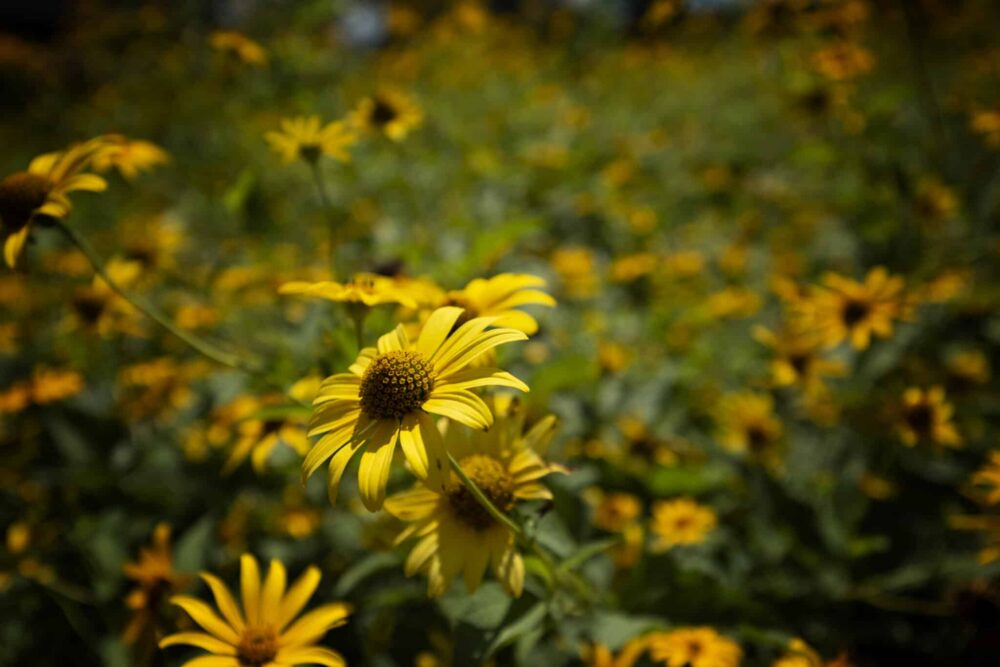
What It Actually Looks Like
If winter is the season people ask about, spring is the one nobody warns you about, and maybe they should, a little. Late March and April are what upstate New Yorkers call mud season, and for good reason: the snow is mostly gone, the ground is thawing, and the weather can’t decide what it wants to be. A 60-degree Tuesday can be followed by a Thursday snow flurry. It’s not glamorous.
But it moves fast once it turns. New York’s maple sugaring season, the state’s first harvest of the year, runs through March and brings the public out to local sugarhouses across the state, including producers a short drive from Corning and Elmira, to watch syrup get made and taste it straight from the source. By April, the gorges are running high with snowmelt, and by May the hillsides above Keuka and Seneca green up almost overnight. Vineyards start their first work of the year, pruning and tying back vines ahead of the growing season. It’s the one stretch here that genuinely feels like a reward for making it through winter.
What Locals Actually Do
Spring here is a season of reopening. Trails that were snowed in or too icy to hike safely become accessible again, and the payoff is real: waterfalls swollen with snowmelt, early wildflowers along the gorge trails, and birdsong that’s been missing for months. Hikers head back to Watkins Glen State Park and the Finger Lakes Trail before the summer crowds arrive, which they will tell you is the best-kept secret of the season.
Maple Weekend, held each March, is a genuine regional event: family farms across the area open their sugarhouses for tours, pancake breakfasts, and fresh syrup tastings. It’s the kind of low-key, community-built tradition that doesn’t show up in relocation brochures but still matters to the people who live here.
Trout season opens in spring too, and the creeks and lakes across Chemung, Steuben, and Schuyler counties draw anglers out before the water has even fully warmed. Meanwhile, the wineries along Seneca and Keuka lakes start welcoming visitors back for tasting room season, even while the vines themselves are just waking up.
Mostly, though, spring here is about watching the place come back to life. Porches get used again. Farmers markets return to town squares. People who spent January building indoor routines start building outdoor ones instead, and there’s a real sense of momentum heading into summer.
Summer

What It Actually Looks Like
This is the season that makes the other three worth it, and locals will say so without much hesitation. Summer in the Southern Finger Lakes runs warm and green, with highs typically in the low-to-mid 80s and cool evenings that make sleeping with the windows open one of the small, real pleasures of living here. The growing season around Seneca Lake runs about 195 days, long enough to support a wine region with a national reputation, and the lake itself moderates the climate enough to make the whole area feel a few degrees kinder than the forecast suggests.
This is also, unmistakably, lake season. Seneca, Keuka, and the smaller lakes across the region fill up with boats, paddleboards, and swimmers by June, and the water stays warm enough to enjoy well into September.
What Locals Actually Do
Summer here means being outside, constantly, and there’s a genuine embarrassment of options for doing it.
State parks and gorges. Watkins Glen State Park is the headliner, and it’s not close: the park drew nearly 1.4 million visitors in 2024, and a Google Maps study named it the most-visited state park in the entire country that year, not just in New York. The Gorge Trail alone packs 19 waterfalls into about a mile, with the stream dropping 400 feet past 200-foot cliffs. It gets busy in July and August, and it’s still worth every minute. But if you’d rather avoid crowds, there are plenty of less-hyped trails that are still worth exploring.
Wine country. The Seneca Lake Wine Trail alone counts 28 member wineries producing more than 600 varieties of wine across the AVA, and tasting rooms fill up all summer with visitors working their way around the lake. It’s one of the region’s biggest summer draws and one reason people who move here for a season end up staying for the wine too.
Community events. Summer here means something is happening most weekends across the Southern Tier. Corning’s Gaffer District throws GlassFest every Memorial Day weekend, a free three-day celebration of the city’s glassmaking heritage that’s been running since 2009 and now draws hundreds of vendors and thousands of visitors to Market Street, plus a full calendar of Summer in Downtown Corning events through August. Elmira answers back with Alive After Five, a Friday-night happy hour and concert series downtown that locals call the largest happy hour in the area, alongside the weekly Wisner Market for produce and crafts and the Elmira Street Painting Festival for chalk art and live music. Smaller towns get in on it too: Watkins Glen has hosted its Waterfront Festival at Seneca Harbor Park, cardboard boat regatta included, every June since 1994. Between the two cities and everything in between, there’s rarely a summer weekend around here without a reason to be downtown.
National forest. The Finger Lakes National Forest, tucked between Seneca and Cayuga lakes, is the only national forest in the entire state of New York: 16,259 acres with more than 30 miles of trails through pastures, gorges, and woodlands. It’s an easy day trip and one of the more underrated pieces of public land in the Northeast.
Racing and soaring. Watkins Glen International hosts major NASCAR and IMSA sports car race weekends that bring tens of thousands of fans through the region every summer, turning the whole area into a temporary racing town for a few days. Up at Harris Hill, the National Soaring Museum keeps more than 80 years of soaring history alive, and summer is peak season for watching gliders ride the ridge.
County fair season. The Chemung County Fair runs in early August and marks 185 years of history, one of the older county fairs in the state, with the kind of rides, animals, and fried food that make late summer feel like late summer.
Add in farmers markets, outdoor concerts, and long evenings on a porch or a dock, and summer here starts to explain why so many people who move for the winters they think they can handle end up staying for the summers they can’t imagine leaving.
Fall

What It Actually Looks Like
If summer is the season that convinces people to move here, fall might be the season that convinces them they made the right call. Days shorten again, but slowly and gently at first, and the air turns crisp before it turns cold. Foliage typically builds through late September and peaks somewhere in the first two weeks of October, though the exact timing shifts year to year with temperature and rainfall. When it lands, the hillsides above the lakes turn into the kind of scenery that out-of-towners drive hours to see, and locals get to walk out their front door for. And have you ever experienced the scent of ripening grapes in the air? It is delightful.
What Locals Actually Do
Harvest season takes over. Grapes come in across the wine trails through September and October, and wineries host harvest festivals, grape stomps, and pairing events that turn a normal weekend drive into an all-day outing. Apple orchards and pumpkin patches across Chemung, Steuben, and Schuyler counties open for picking, and roadside stands sell cider that tastes nothing like what comes in a plastic jug at the grocery store.
History and literature lovers also have a real reason to visit in the fall. Mark Twain spent parts of twenty summers writing at Quarry Farm in Elmira, working in a small octagonal study where he wrote large parts of The Adventures of Huckleberry Finn. The study still stands today on the campus of Elmira College, a genuinely remarkable piece of literary history sitting in a small upstate city, and fall’s softer light makes it an especially good season to visit.
Hiking hits its own high point in the fall. Cooler temperatures, fewer bugs, and that foliage make the trails some of the most pleasant hikes in the Northeast in October. The state parks are less crowded than in summer but just as scenic, arguably more.
And then the shift indoors happens, gradually. Farmers markets start winding down. Woodstoves get their first fires of the season. People start turning back toward the indoor culture, the museums, the restaurants, the standing dinners, that carries them through winter. Fall isn’t so much a goodbye to the outdoor season as a slow, beautiful exit.
What People Who’ve Moved Here Actually Say
Dr. Rashida Vassell, a physician who relocated to the Southern Finger Lakes from New York City, doesn’t sugarcoat the winters. They’re hard, she says plainly. But she also says she wouldn’t trade the other three seasons for anything, and that between the cost of living, the community, and the quality of daily life, the trade is an easy one to make in hindsight. That’s the framing you hear most often from people who’ve moved here from bigger or more southerly places: winter is real, and it’s a trade worth making.
Stephanie Ferree, who moved here from the Bronx, describes the rhythm simply. Winters are when her family stays in and has dinner together. Summers are when they’re out constantly, at the lake, on the porch, at a fair or a festival. Both of those, she says, are a kind of life that wasn’t really available to her in New York City. The seasons themselves become a structure for family life, not just a backdrop to it.
The people who struggle with winter here tend to be the ones who don’t replace their outdoor social life with anything once the cold sets in. The people who thrive have figured out that winter asks for a little more intentionality, about evenings, about where you build warmth, and that the intentionality it demands is part of what makes the other three seasons feel so earned.
A Few Practical Things Worth Knowing
All-wheel or four-wheel drive is widely recommended for winter driving, though not mandatory. Most locals have it. Snow tires make a real difference on rural roads, and town and county road crews are experienced: this region has managed winter roads for generations, and it shows.
Take care of the house, year-round. Good storm windows, solid insulation, and a furnace you actually trust matter more here than they would somewhere milder. Many of the historic homes that give this region its character have great bones; they were built to last, but most benefit from modern weatherproofing to keep up with what winter asks of them.
Central air, or at least good window units, helps through the humid stretch of July and August, though summers here run milder than in most of the country.
Utilities run higher in winter and can tick up again at the peak of summer. Heating costs for a typical home in the region generally run $150 to $250 a month through the coldest stretch, depending on size and efficiency. Even with that factored in, the overall cost of living here stays favorable compared to most markets, especially coastal ones.
And the dark gets easier. Most people say their second winter is noticeably lighter than their first, not because the weather changes, but because they’ve built the routine, they know what February looks like, and they’re not bracing for something they didn’t expect anymore.
The Bottom Line
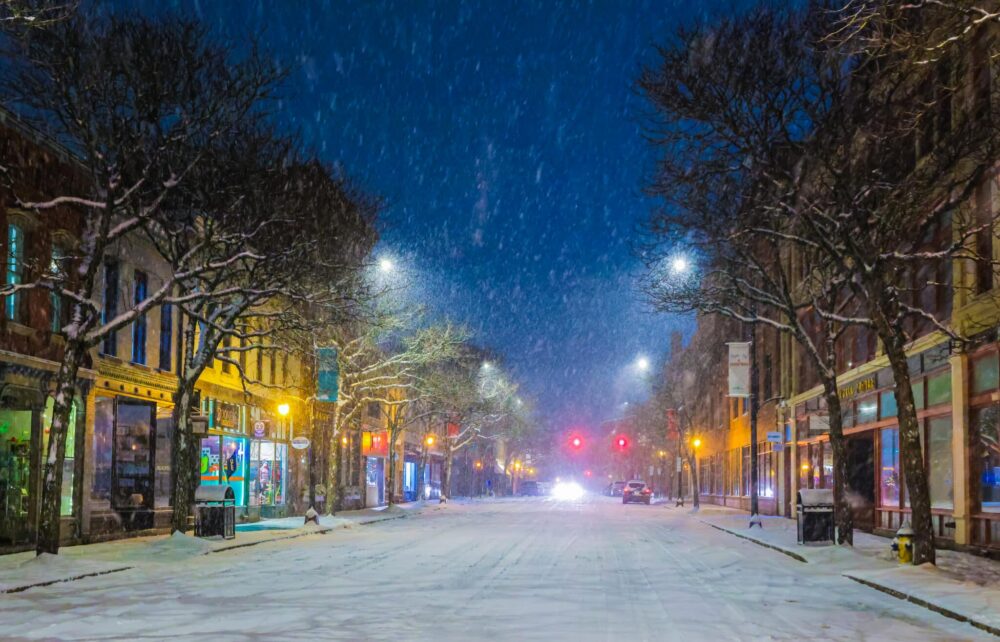
If someone tells you winter in the Southern Finger Lakes is easy, they’re selling you something. It’s real winter: cold, snowy, and dark earlier than you’d like. But it’s also one season, not the whole story, and it’s a far smaller trade than most people expect once they’ve lived through a full year here.
Spring shows up late and messy, then turns the whole region green almost overnight. Summer is long, warm, and built around water, wine, and being outside as much as possible. Fall might be the best month and a half in the Northeast, full stop. And winter, once you’ve built a routine and found your people, turns out to be something you get through together rather than something you white-knuckle alone.
The people who stay here aren’t the ones who conquered winter. They’re people who found out what the rest of the year looks like and decided the whole package, all four seasons of it, was worth building a life around.
Ready to see it for yourself? Visit our Help Me Move page, and we’ll connect you with the people and resources to make a move real.